


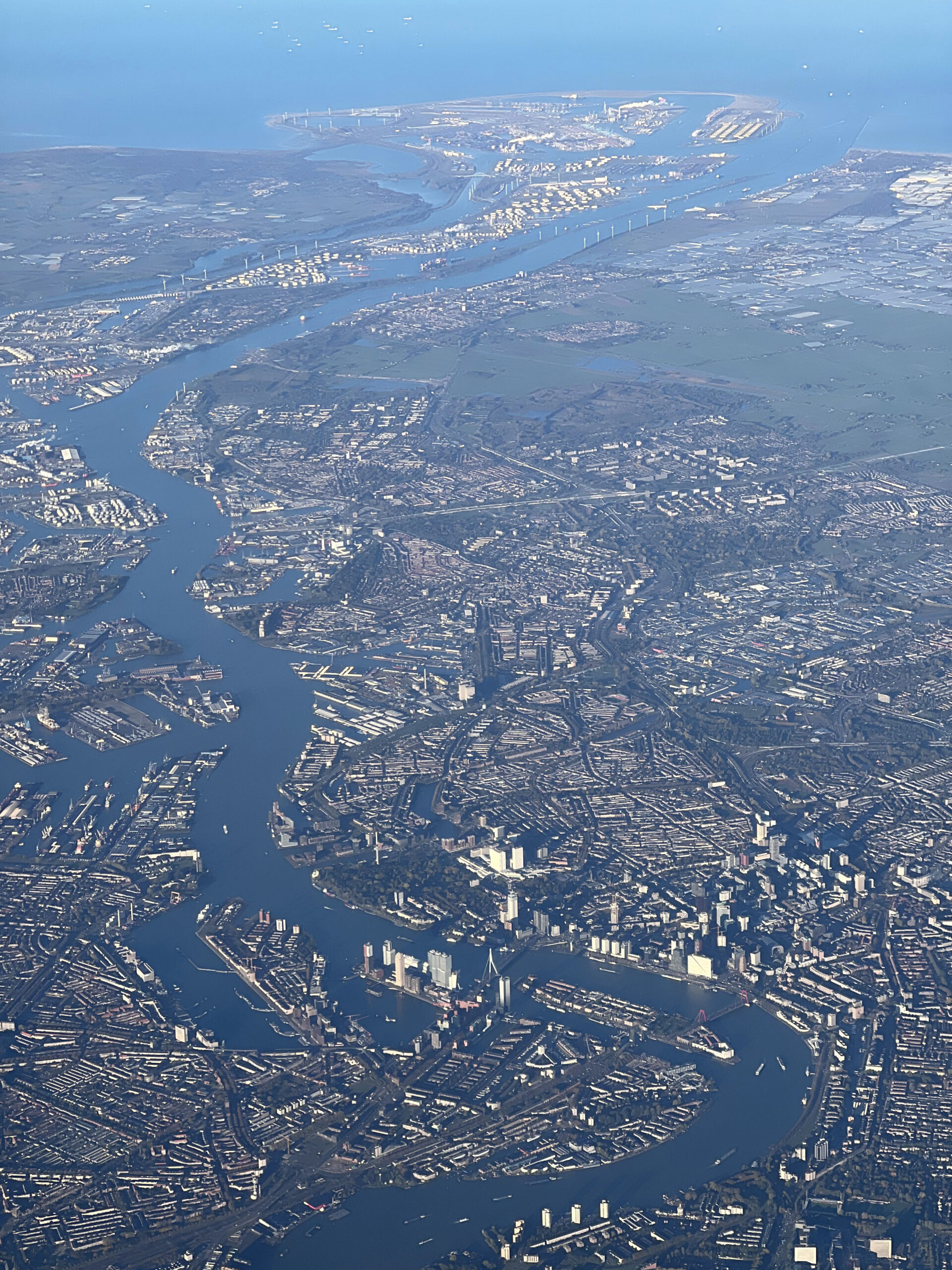
Infrastructure expansion
The available storage capacity in the current gas field has been fully allocated. At present, no new companies can join Porthos. There is still capacity available in the onshore pipeline and at the compressor station, however, allowing other projects to connect to the infrastructure.
Development of the collaboration
In autumn 2019, Porthos entered into Joint Development Agreements (JDAs) with Air Liquide, Air Products, ExxonMobil and Shell. A second agreement (JDA2) followed in autumn 2020. By signing the first JDAs, Porthos and the participating companies agreed to jointly develop the project further. Porthos continued with the permitting procedures and the technical development of the infrastructure. The participating companies started the permitting procedures and the design of their CO₂ capture facilities.
SDE++ subsidy
In spring 2021, the JDA partners received an SDE++ subsidy. This subsidy bridges the gap between revenues from the EU Emissions Trading System (ETS) and the total costs of capturing, transporting and storing CO₂. This support enables the participating companies to invest in emissions reductions, contribute to the Netherlands’ climate targets and maintain their international competitiveness at the same time.